

Smart Factory Automation: Unveiling the Future of Modern Manufacturing

1. Introduction to Smart Factories
In the dynamic landscape of modern industry, a revolutionary transformation is quietly unfolding. Factories are no longer the traditional settings of mechanical operations and manual labor. They are evolving into smart entities, but what exactly constitutes a smart factory, and why should manufacturers pay attention?
A smart factory is a sophisticated ecosystem where machines, human workers, and data converge in a harmonious interplay. Leveraging sensors, robotics, and advanced software, it collects and analyzes information in real – time. This isn’t a vision of the future; it’s the current reality of Industry 4.0. The factory floor is now more connected than ever, with devices communicating with each other and the cloud. This connectivity enables faster decision – making and preemptive problem – solving, leading to increased efficiency and reduced costs.
Consider the traditional manufacturing setup. Machines operated independently, and data was manually recorded, often too late to prevent production downtime or product defects. In contrast, smart factory automation solutions incorporate the Industrial Internet of Things (IIoT), artificial intelligence (AI), machine learning (ML), robotics, and digital twins. These technologies empower factories to transition from reactive to proactive operations, and from sluggish to agile manufacturing.
Why is this shift so essential? The global market demands faster production, higher product quality, safer workplaces, and compliance with stringent regulations, all while maintaining cost – effectiveness. Smart factories meet these demands head – on by offering real – time insights, predictive maintenance capabilities, and seamless supply chain visibility. They enable manufacturers to stay competitive in a rapidly changing business environment.
As you continue reading, you’ll uncover the core technologies driving this transformation, the key benefits they bring, and how industries worldwide are adopting smart factory automation to shape their future. Are you prepared to explore the factory of tomorrow? Let’s discover what makes smart factory automation a game – changing innovation.
2. Core Technologies Powering Smart Factory Automation
In the realm of smart factories, technology serves as the driving force behind the transformation. But which specific tools are enabling this revolution? How do factories convert data into actionable insights and transform machines into productive partners? The answers lie in the fundamental technologies that underpin smart factory automation.
Industrial Internet of Things (IIoT)
The IIoT forms the backbone of smart factories. Envision a factory floor dotted with countless sensors and devices. These components are interconnected, communicating with each other and central systems in real – time. They share information about every aspect of the manufacturing process, such as machine temperature, speed, pressure, and more. This network of connectivity acts as the nervous system of the smart factory, enabling seamless data flow and coordination among all elements.
Artificial Intelligence (AI) and Machine Learning (ML)
AI and ML are the intellectual powerhouses of smart factory operations. AI sifts through the vast amounts of data generated by IIoT devices, identifying patterns and predicting potential issues before they occur. ML algorithms learn from past data, continuously improving their decision – making capabilities over time. This predictive ability allows factories to anticipate equipment failures, schedule maintenance at optimal times, and avoid costly unplanned downtime. It’s like having an ever – vigilant supervisor overseeing the entire production process.
Digital Twins
Digital twins are virtual replicas of physical machines or entire production lines. These digital models simulate real – world conditions, allowing manufacturers to test changes and optimizations without disrupting actual operations. For instance, if a manufacturer wants to introduce a new production process or adjust a machine’s settings, the digital twin can run a simulation first. This saves time and resources, minimizing risks associated with making changes directly on the factory floor.
Robotics and Automation Technologies
Robotics and automation play a pivotal role in smart factories. Collaborative robots, or cobots, work in tandem with human operators. They handle repetitive, physically demanding, or dangerous tasks, allowing human workers to focus on more complex and creative jobs. Autonomous mobile robots (AMRs) efficiently transport materials across the factory floor, navigating safely through the workspace. These technologies enhance production speed, precision, and reliability while reducing human error.
Wireless Communication and Security Protocols
Wireless communication is essential for the flexibility and mobility of smart factory devices. Modern protocols like IO – Link Wireless provide fast, reliable, and secure data transfer. This eliminates the need for cumbersome wired connections, making factory layouts more adaptable. Security is of utmost importance, and protocols such as SSL/TLS and OAuth2 ensure the protection of data from cyber threats.
Collectively, these technologies create a seamless and integrated ecosystem. IIoT devices gather data, AI and ML analyze it, digital twins simulate scenarios, robots execute tasks, and wireless networks connect everything. The result is a smart factory that can perceive, think, and respond in real – time.
Why does this matter? In today’s fast – paced manufacturing landscape, speed and accuracy are paramount. Factories that embrace these technologies gain a competitive edge. They reduce waste, cut costs, improve product quality, enhance worker safety, and comply with strict regulations. As you read further, you’ll see how these technologies are implemented in real – world factories, the benefits they yield, and how you can leverage them for your business. The future is clear: smart factory automation is not just a passing trend; it’s the new norm in manufacturing.
3. Key Features and Benefits of Smart Factory Automation
At the heart of every smart factory lies a set of promises: to optimize production, enhance quality, and ensure safety without sacrificing efficiency. But what are the specific features that turn these promises into reality? How do smart factories transform from chaotic workplaces into highly efficient and insightful production hubs?
Real – Time Monitoring
Real – time monitoring serves as the eyes and ears of the smart factory. Imagine having dashboards that display every aspect of your production line in real – time—machine speeds, output rates, downtime, and quality metrics, all updated instantaneously. This live view enables managers to detect problems at their onset. It replaces speculation with data – driven decision – making. When a machine’s performance deviates or a product defect surfaces, the system immediately alerts, eliminating the need to wait for end – of – day or end – of – week reports. Decisions can be made promptly, ensuring minimal disruption to production.
Predictive Maintenance
Rather than waiting for machines to break down before fixing them, smart factories use data – driven predictive maintenance. Sensors monitor various parameters such as vibrations, temperature, and wear and tear of equipment. AI algorithms analyze this data to predict when a machine part is likely to fail. For example, the system might indicate, “This conveyor belt will need replacement in five days.” This foresight significantly reduces unplanned downtime, extends the lifespan of equipment, and saves costs associated with emergency repairs. It keeps the production line running smoothly and efficiently.
Supply Chain Visibility
Smart factories no longer operate in isolation. They establish real – time connections with suppliers, warehouses, and logistics partners. This supply chain visibility allows manufacturers to identify bottlenecks early. If a supplier is running late with a crucial raw material or if there are issues in the transportation of finished goods, managers can spot these problems before they escalate into costly production stoppages. They can then take proactive measures such as rerouting materials or adjusting production schedules, ensuring the seamless flow of the entire supply chain.
Enhanced Quality Control
Quality control reaches new heights in smart factories. Machine vision systems equipped with AI can scan products with greater speed and accuracy than human inspectors. These systems can detect even the tiniest defects, color mismatches, or shape irregularities. By catching problems before products leave the production line, smart factories reduce the number of returns, minimize waste, and enhance customer satisfaction.
Improved Operational Efficiency
Automation takes over repetitive tasks, significantly boosting operational efficiency. Robots and cobots handle assembly, packaging, and inspection with unwavering precision. This not only reduces manual errors but also speeds up production. Human workers can then focus on tasks that require creativity, problem – solving, and critical thinking. As a result, costs decrease while output increases.
Enhanced Worker Safety
Smart factories prioritize worker safety. Wearable devices monitor worker fatigue, location, and exposure to hazards. Automated systems are deployed to handle dangerous tasks such as heavy lifting, working with hazardous materials, or operating in high – risk environments. This reduces the occurrence of workplace accidents, minimizes lost workdays, and creates a safer working environment.
Scalability and Flexibility
Smart factory solutions offer scalability and flexibility. Whether you operate a single factory or a network of plants, the system can adapt. Dashboards can display aggregated data or drill down to provide detailed information about a single machine. Workflows can be customized to fit unique manufacturing processes. This adaptability makes it easier to accommodate growth and implement changes quickly.
In summary, smart factory automation offers a comprehensive set of features that revolutionize manufacturing. It transforms data into actionable strategies, machines into reliable partners, and factories into agile and responsive centers of productivity. It meets the demands for speed, quality, safety, and cost – control that traditional factories struggle to achieve. As you move forward, consider these benefits. How could real – time insights revolutionize your factory operations? What impact would predicting equipment failures have on your bottom line? Can you envision a supply chain that communicates seamlessly with your factory? The answers lie in smart factory automation, and the future awaits those who embrace it.
4. Industry Applications and Use Cases
Where do smart factory automation solutions have the most significant impact? The answer spans across multiple industries, each grappling with unique challenges while striving for common goals: increased efficiency, improved quality, and safer operations.
Automotive Manufacturing
In automotive manufacturing, precision and speed are non – negotiable. Smart factories leverage robotics and AI to assemble parts with unparalleled accuracy. Digital twins are used to simulate production lines, enabling manufacturers to test new processes or modifications before implementation. This not only reduces downtime but also boosts production throughput. For electric vehicle (EV) manufacturers, smart automation is crucial for managing complex battery assembly processes and ensuring the reliable operation of charging station networks, guaranteeing fast and efficient service.
Pharmaceutical Industry
Pharmaceutical companies benefit greatly from smart factory automation. Stringent regulations demand impeccable quality control and traceability. Smart factory solutions provide real – time monitoring of production environments and processes. AI – driven inspection systems can detect even the slightest defects early on. Supply chain visibility ensures that raw materials and finished drugs are tracked throughout the process, minimizing risks and ensuring compliance with regulatory requirements.
Electronics Manufacturing
Given the increasing miniaturization and complexity in electronics manufacturing, smart automation is essential. Machine vision systems can identify microscopic flaws that may elude human eyes. Predictive maintenance keeps expensive and specialized equipment running smoothly, preventing costly production delays. This enables electronics manufacturers to meet high – volume production demands while maintaining product quality.
Food and Beverage Industry
Food and beverage producers are also turning to smart factories. Automated quality checks ensure product freshness and safety. Supply chain tracking helps in maintaining the integrity of the food products from farm to fork. Robotics are used in packaging, reducing the risk of contamination and speeding up the packaging process.
Other Industries
Beyond these, industries such as aerospace, chemicals, and logistics are also embracing smart factory automation. Each industry tailors smart factory solutions to address its specific challenges. Real – world success stories demonstrate tangible benefits, including increased output, reduced costs, and faster time – to – market.
How can your industry benefit? The smart factory concept is not a one – size – fits – all solution. It can be customized to meet your industry’s unique needs, turning challenges into opportunities. The future of manufacturing is already here, reshaping industries one factory at a time.
5. Implementation of Smart Factory Automation
Embarking on the journey towards smart factory automation requires a strategic approach. How do manufacturers translate their vision into a fully functional smart factory? The implementation process is where strategic planning meets practical execution, demanding careful consideration, precise coordination, and continuous improvement to unlock the full potential of automation technologies.
Site Assessment
The first step in the implementation process is a comprehensive site assessment. Experts visit the factory floor to gain a deep understanding of existing processes, equipment, and infrastructure. They identify key data points, including critical machines, sensors, and systems that will serve as the data sources for the smart factory network. This initial step is vital. Without a clear understanding of the current state and future requirements, any automation initiative may fall short of expectations.
Hardware and Software Selection
Selecting the right hardware and software is not a straightforward task. Each factory has distinct requirements. The appropriate sensors, controllers, and communication protocols must be chosen to suit the factory environment and business objectives. In some cases, legacy machines may need to be retrofitted with smart sensors to integrate them into the connected ecosystem. In other instances, new equipment might be necessary to fully realize the benefits of smart factory automation.
Onboarding
The onboarding phase involves installing devices, integrating systems, and connecting all components to centralized platforms. Dashboards and reports are customized to present relevant data in a clear and actionable manner, enabling decision – makers to respond promptly. Training is a crucial aspect of this phase. Both workers and managers need to be proficient in using the new tools and interpreting the vast amounts of data generated by the smart factory systems.
Continuous Support and Optimization
Implementation does not end with installation. Continuous support and iterative optimization are essential for the long – term success of smart factory automation. Factories evolve over time, and so must their automation systems. Regular software updates, troubleshooting, and performance reviews ensure that the smart factory operates smoothly. Integration with existing enterprise resource planning (ERP), manufacturing execution system (MES), and cloud platforms ensures seamless data flow across all business functions.
In essence, successful implementation combines technological know – how with human expertise. It requires a readiness at all levels, from infrastructure to personnel, and a commitment to continuous improvement. When executed correctly, smart factory automation delivers quantifiable value, including higher efficiency, reduced downtime, and improved product quality. Are you ready to start your smart factory journey?
6. Challenges in Implementing Smart Factories and Solutions
The path to smart factory automation is not without its obstacles. These challenges, if not properly addressed, can impede progress or even derail the entire initiative. So, what are the common hurdles that manufacturers face, and how can they overcome them?
Legacy Equipment Integration
One of the major challenges is integrating legacy equipment. Many factories still rely on older machines that were not designed with connectivity in mind. Replacing all of this equipment is often costly and disruptive. The solution lies in retrofitting these machines with smart sensors and IoT devices. This approach allows them to be part of the digital ecosystem without a complete overhaul, preserving the existing investment while adding new capabilities.
Cybersecurity Risks
With the increasing number of connected devices in a smart factory, the risk of cyberattacks also rises. Factories must implement robust security protocols such as SSL/TLS encryption and OAuth2 authentication to safeguard their data. Regular security audits and employee training programs are also essential to foster a culture of cybersecurity awareness and vigilance.
Change Management
Change management is often overlooked but is a critical aspect. New technologies bring about new workflows and job roles, which can lead to resistance from employees. Clear communication, hands – on training, and involving employees in the process from the start can ease the transition and build trust. This helps in creating a more receptive environment for the adoption of new technologies.
Initial Investment Costs
The initial investment required for smart factory automation can seem daunting. However, a phased implementation approach can help spread out these costs over time, reducing the financial burden and associated risks. Partnering with experienced vendors who offer end – to – end solutions can also ensure a smoother integration process


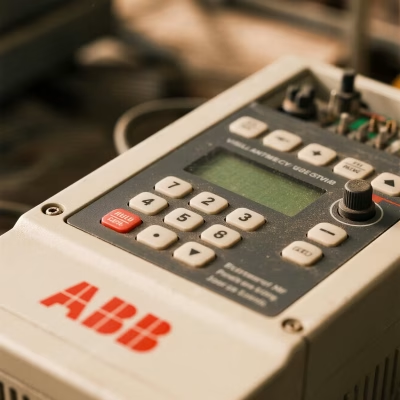

Explore ABB Variable Frequency Drives (VFDs) for efficient motor control. Save energy, cut costs, and enhance reliability across various industries with ABB’s advanced VFD offerings.
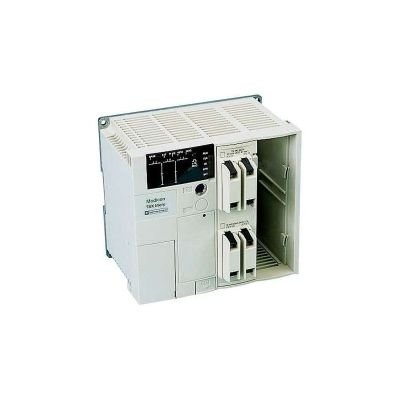
Explore how smart factory automation, powered by IIoT, AI, robotics, and digital twins, revolutionizes modern manufacturing, enhancing efficiency, quality, and safety.
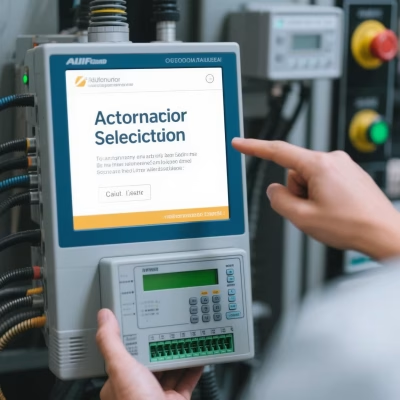
Uncover the secrets of choosing the perfect PLC. By comprehending your requirements, system dimensions, environment, technical details, programming needs, and future expansion possibilities, you can ensure reliable industrial automation.